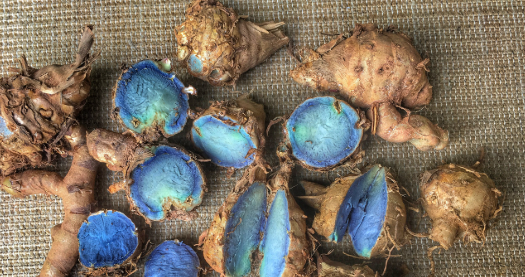
Koraput, already famous across India for its high‑quality coffee, is now getting ready to shine in a new area – black turmeric cultivation. This special crop, known for its strong medicinal value and high market price, is being grown in the district for the first time on an experimental (pilot) basis. The aim is to turn Koraput into a hub for valuable spice and medicinal crops in the coming years.
First-Time Black Turmeric Cultivation
This year, black turmeric has been introduced in Adamunda village of Dasamantapur block as a pilot project. A woman farmer, Lakshmi Nayak, received about 50 kg of black turmeric seed through the Integrated Tribal Development Agency (ITDA), with technical support from OUAT experts. The crop was planted in June using organic methods, without chemical fertilisers, and the plants have grown very well so far. Harvest is expected around March, and early visits by officials and experts suggest that the yield could be quite good.
Lakshmi says she had never seen black turmeric before but agreed to try it after learning about its medicinal use and high value. According to her, the actual income will be clear only after selling the produce, but estimates suggest the price may be around ₹500 to ₹1,000 per kg in the beginning, depending on quality and demand.
Why Black Turmeric Is So Valuable
Black turmeric is not like the regular yellow turmeric we use in our kitchen. It is considered a high‑value medicinal crop. It is widely used in Ayurvedic, traditional and pharmaceutical preparations because of its anti‑inflammatory and other health properties.
While normal turmeric usually sells for around ₹100–₹200 per kg, black turmeric can fetch between ₹1,200 and ₹2,000 per kg in the market, depending on demand and quality. Because of this big price difference, the crop has attracted the interest of pharmaceutical companies, and some company representatives have already visited the Koraput fields to explore possible procurement.
Perfect Climate for Black Turmeric
Officials from the District Horticulture Department say that Dasamantapur block was chosen by OUAT because of its favourable agro‑climatic conditions. The area gets good rainfall, the soil has high organic matter, and the climate is relatively cool – all of which are ideal for black turmeric. These natural advantages reduce the need for heavy chemical inputs and make it easier to grow the crop using organic practices.
With its strong economic potential and health benefits, black turmeric may become the next success story after Koraput coffee. If things go as planned, in a few years Koraput could be known not only for its aromatic coffee beans, but also for its premium black turmeric, opening new markets and better earning opportunities for local farmers.